

Out-of-State College Students: Do You Need to Change Your License?
Most states let full-time students keep their home-state license while at school. Here is how that exemption usually works and when it doesn't.
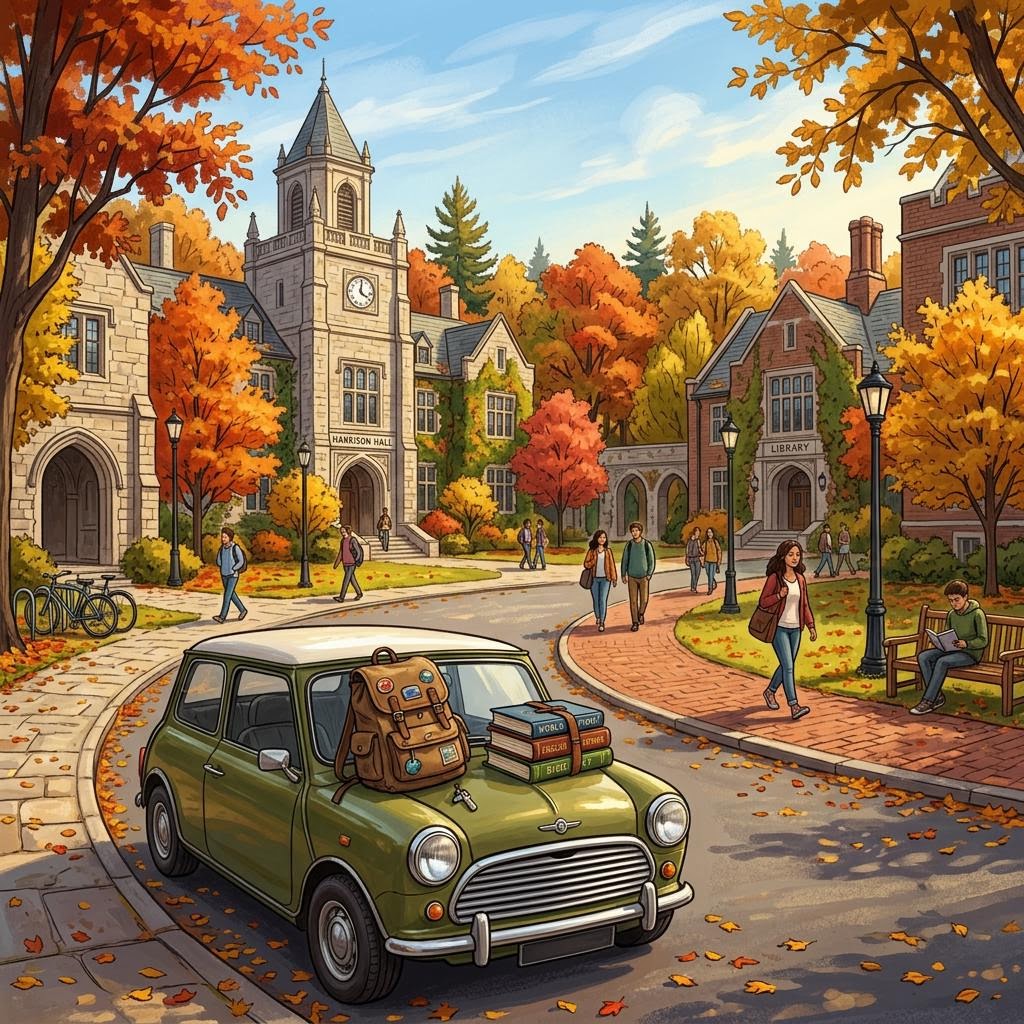
Heading to college in another state raises a common question: do you have to switch your driver's license? For most full-time students, the answer is no—states generally treat attending school as a temporary stay, not a change of residency, and let you drive on your valid home-state license.
The student exemption, in general terms
New-resident license deadlines are triggered by establishing residency. Full-time students who remain residents of their home state (parents' address, home-state tax filing) typically are not considered new residents of the college state. Each state defines this in its own vehicle code, so check the DMV site of the state where you will study if your situation is unusual.
When you likely do need to switch
- You take a job and establish residency in the college state
- You register a car in the college state (registration and licensing rules often travel together)
- You register to vote there or claim residency for tuition purposes
Still need to get your first license?
If you arrive at college without a license at all, you will generally apply in whichever state you can establish the required residency or presence in—many students simply get licensed in their home state during a break. Adult applicants usually face a shorter process than teens: written test, possibly a brief holding period, then a road test. Study for the written exam with your state's practice test—for example the Massachusetts practice test or Michigan practice test.
Insurance note
Tell the family insurer where the car will actually live during the school year—garaging address affects coverage and pricing. Our student discount guide covers ways to keep the premium reasonable.