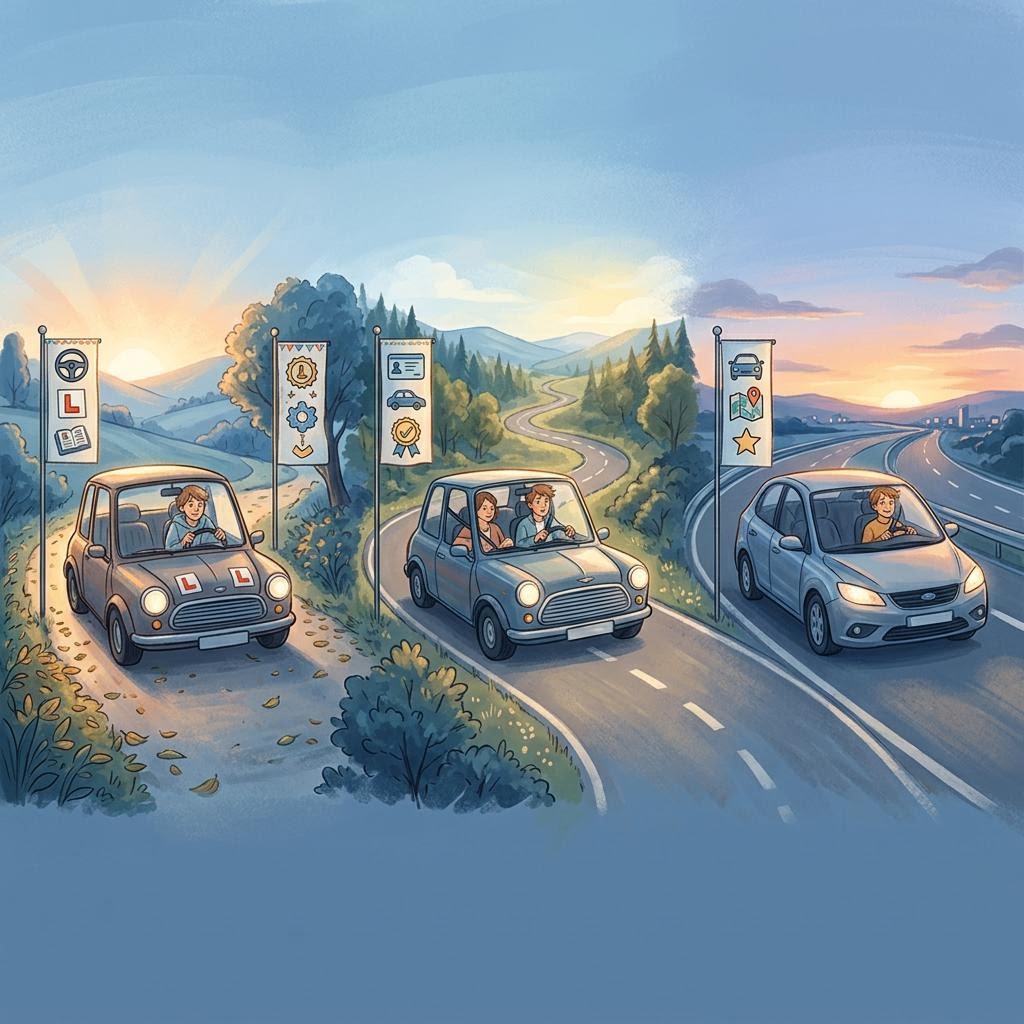

Cell Phone and Texting Laws for New Drivers: Stricter Than You Think
Texting bans apply almost everywhere, and most states go further for teen drivers—banning all phone use, even hands-free.
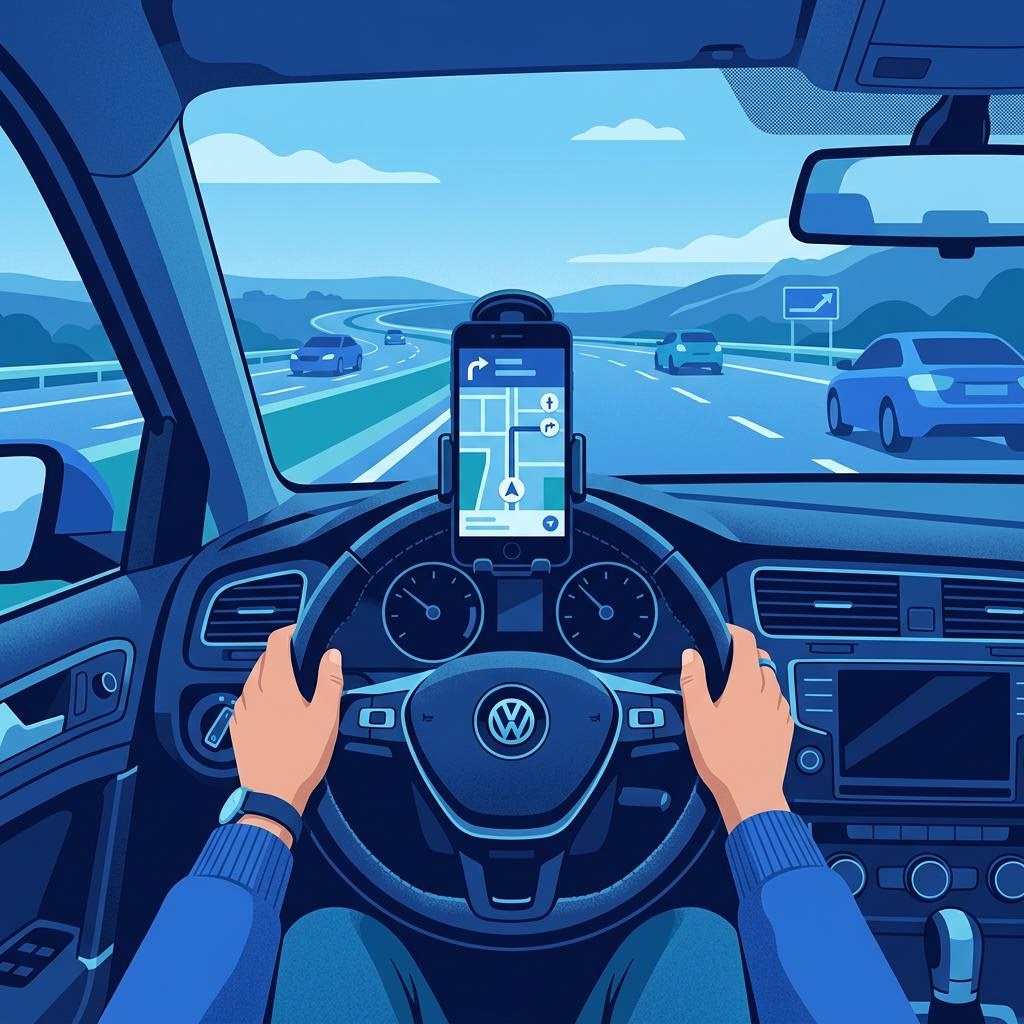
Distracted driving laws have tightened steadily over the past decade, and new drivers face the strictest versions. If you hold a learner's permit or provisional license, assume the rules for you are tougher than what adult drivers around you follow.
Texting while driving
Text messaging while driving is banned for all drivers in nearly every state, and it is a primary offense in most of them—meaning police can stop you for it alone.
Handheld phone use
A growing majority of states ban holding a phone at all while driving, requiring hands-free operation for calls and navigation. This list of states grows almost every year.
Special rules for new drivers
Here is what surprises many teens: most states ban all phone use—including hands-free—for drivers under 18 or drivers in a GDL stage. Mounting your phone and using voice control may be legal for your parents but illegal for you until you graduate to a full license. Check the licensing chapter of your state handbook for the exact rule.
It is on the test, too
Distracted-driving questions appear routinely on written permit exams. Expect questions about what your state prohibits and about safe practices like setting navigation before you drive. Review with a free practice test or your state's page, like the New York DMV practice test or Washington DMV practice test.
The practical rule
Whatever your state technically allows: put the phone in Do Not Disturb, set your route before you leave, and treat every notification as something that can wait. No message is worth a crash—or a suspended provisional license.